Over time, pump chambers collect sludge, grease, wipes, grit, and debris. If this build-up isn’t removed, it reduces capacity, overloads pumps, blocks floats, and increases the chance of breakdowns or flooding.
Clearmasters empty and clean pump stations using modern Jet/Vac combination tankers — allowing us to remove waste, jet wash the chamber, and restore full working capacity in one visit.
Emptying frequency varies depending on usage and chamber size, but typical guidance includes:
If you’re unsure, our engineers can assess your system and recommend the right schedule.
Neglecting regular pump station emptying can lead to serious operational and environmental problems. Even well-maintained pumps struggle when the wet well becomes overloaded with sludge, fats, wipes, and debris.
Routine emptying keeps the system efficient, reduces running costs, and ensures your property or premises remains compliant with environmental regulations.
Every emptying visit is safe, thorough, and designed to restore full pumping performance:
We isolate pumps and electrics before entering or cleaning the chamber.
Sludge, wastewater, grit, and debris are vacuumed out using Jet/Vac tankers.
We jet wash walls, benching, pumps, and floats to remove grease and residue.
Floats, valves, and pumps are checked to confirm correct operation.
The station is brought back online and tested under load to ensure full performance.
All waste is disposed of at licensed facilities and a service note is provided for your records.
Clearmasters empty pump stations cleanly, responsibly, and with minimal disruption — keeping your system reliable year-round.
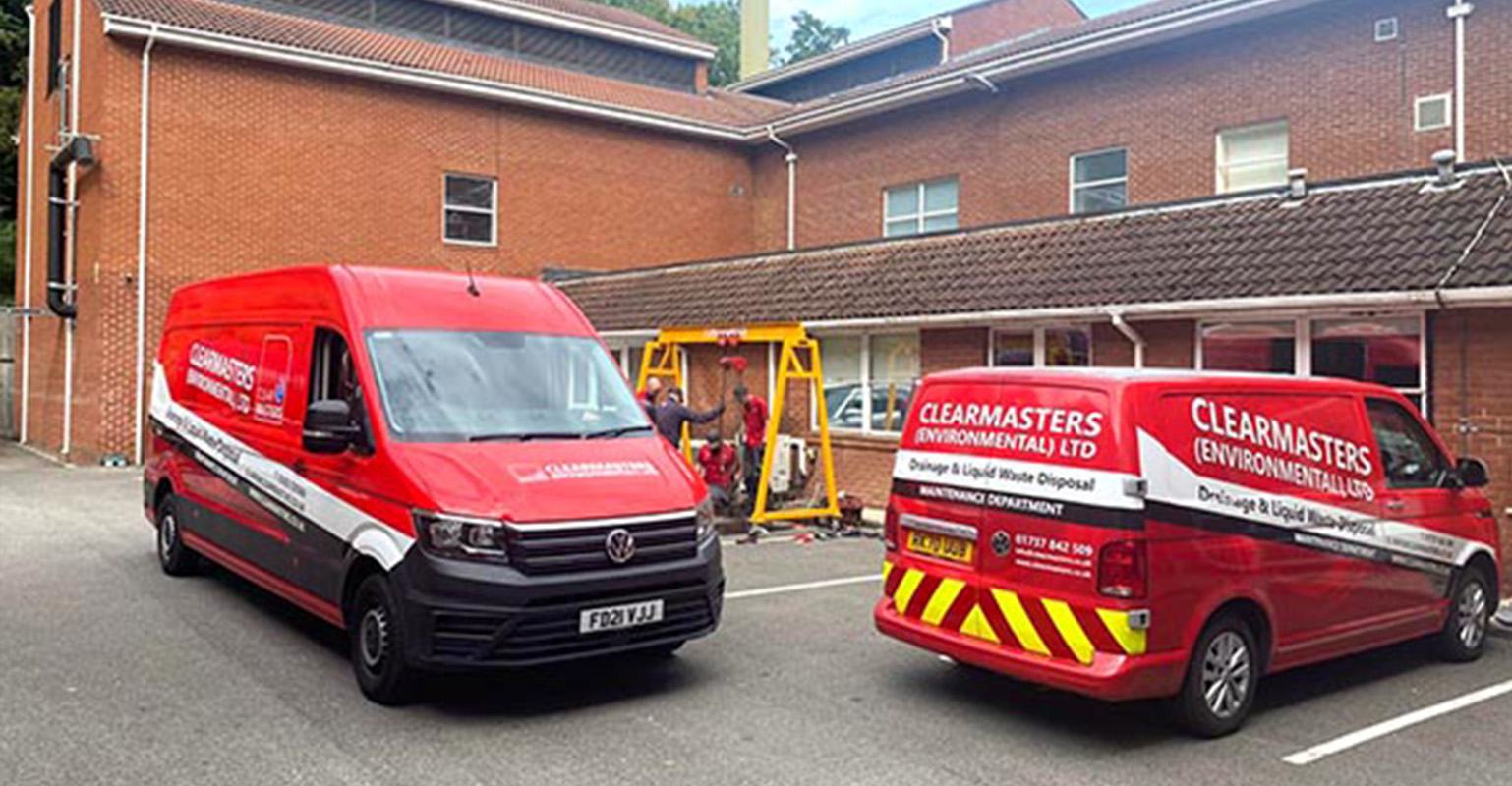
Modern tankers, qualified teams, compliant disposal
Clearmasters have been emptying and maintaining pump chambers for over 30 years across London and the South East.
Our Jet/Vac fleet allows us to empty and deep-clean wet wells efficiently, while our engineers check components for early signs of wear or failure.
All waste is removed and disposed of responsibly at licensed facilities, keeping your system safe and compliant.
Sludge and debris build up over time, reducing capacity and causing pumps or floats to fail.
Most domestic stations need emptying every 6–12 months; commercial sites may need more frequent visits.
Yes — we vacuum out waste and jet wash the chamber, pumps, and floats to remove grease and residue.
Absolutely. We are fully licensed waste carriers and dispose of all material at approved facilities.
Yes — 24/7 emergency response for alarms, high levels, or flooding risks.
Yes. You’ll receive a service note confirming works completed and any recommendations.
